Blog
Using AI in an aesthetics clinic: five rules I follow
Five practical rules a UK clinic owner follows for using AI tools safely around patient information, notes and marketing.
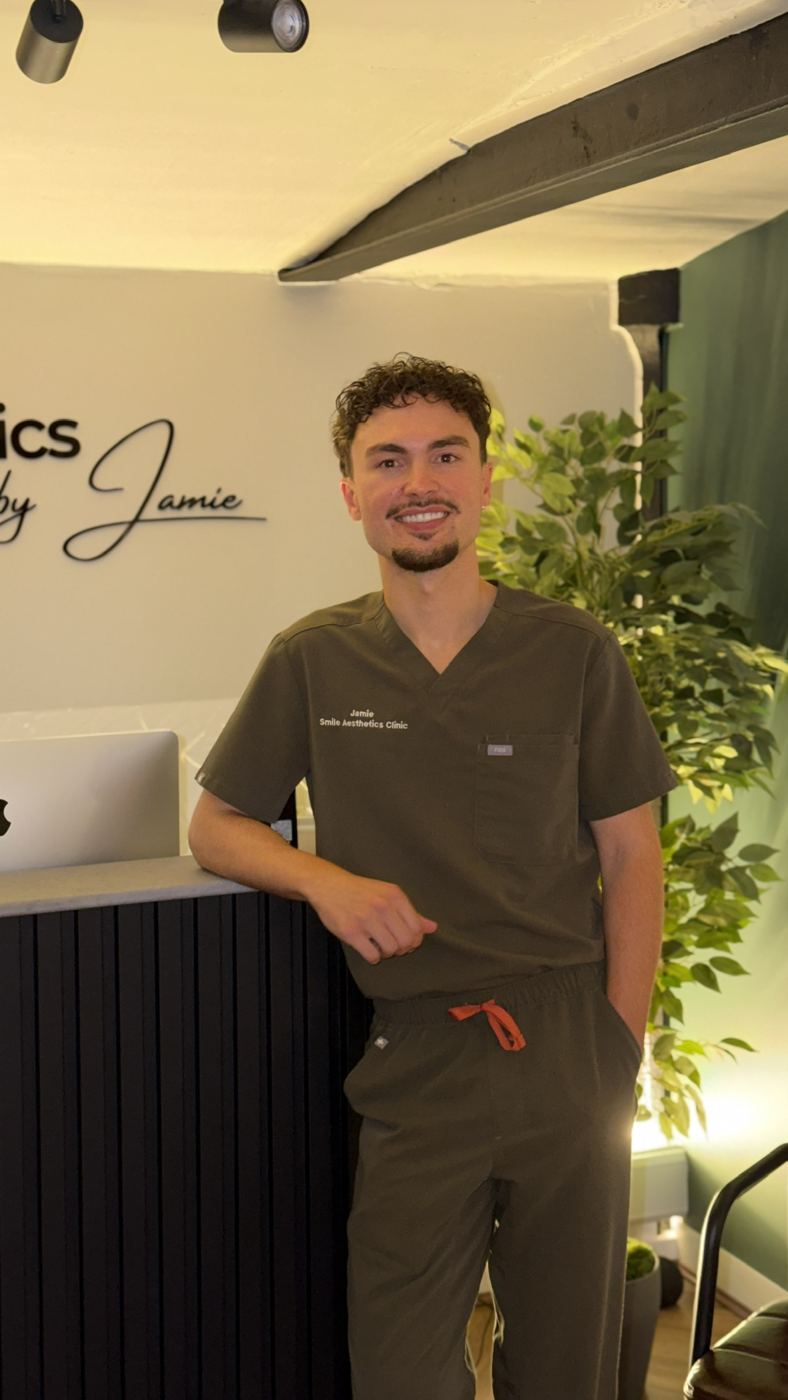 By Jamie Amphlett, dental hygienist (GDC 275537) and owner of Smile Aesthetics by Jamie, Cardiff. Updated 15 November 2026.
I use AI in my clinic every working day. It drafts my notes from a voice memo, writes up treatment plans and helps me read my own numbers. It has given me my evenings back.
It also needs handling with care, because we look after health information. These are the rules I stick to. They're what I do, not legal advice.
1. Patient names stay out of general chat tools
If a tool wasn't set up for health information, I don't put anything in it that identifies a patient. Initials, a reference number or nothing at all.
2. The clinician signs, every time
AI writes a first draft. I read it, change it and sign it. If I haven't checked it, it doesn't go in the record.
3. Write it down
A one-page AI policy the whole team has read beats a clever tool nobody understands. Say what's allowed, what isn't, and who to ask.
4. Tell your patients
A line in your consent or privacy wording about how AI is used in your clinic. People are far more relaxed when they've been told.
5. Know where the data goes
Before using any tool, find out what it keeps and for how long. If you can't get a straight answer, that is your answer.
Want a quick sense-check? Take the 30-second AI-safe check.
Keep reading
Be one of the first 50.
Founders pay £49 a month instead of £59. When the 50 places go, they're gone.
Join the waitlist