Blog
Is AI safe for clinical notes in an aesthetics clinic?
Whether UK aesthetics practitioners can use AI to write clinical notes, the data protection points to check, and how to keep the clinician in charge.
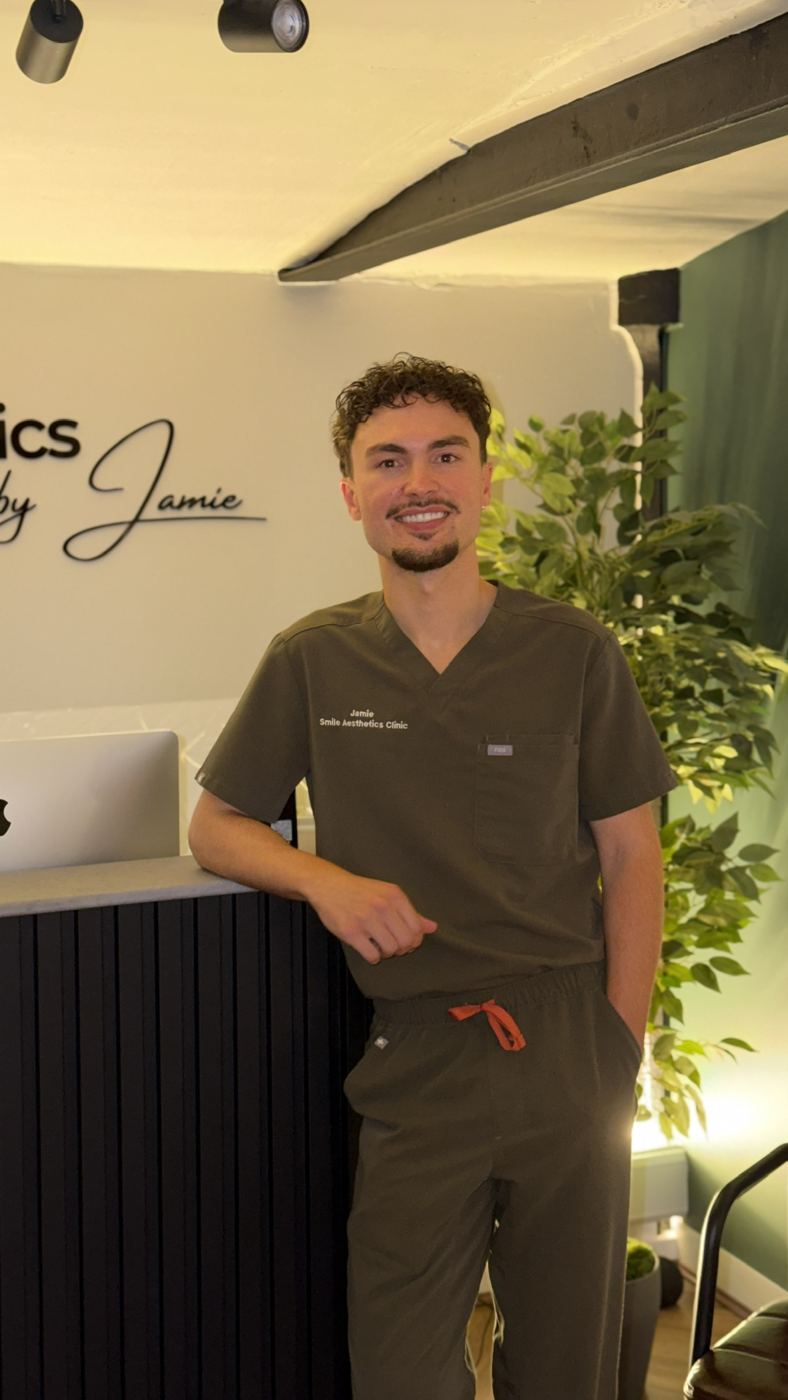 By Jamie Amphlett, dental hygienist (GDC 275537) and owner of Smile Aesthetics by Jamie, Cardiff. Updated 15 November 2026.
The short answer: yes, as a drafting tool, if the clinician checks and signs every note and the tool handles health data properly. No, if it means pasting patient details into a general chat app and trusting what comes back.
How I use it
At the end of a session I record a short voice note: what I did, where, how much, batch details, what I advised. AI turns that into a structured draft. I read it, fix it and sign it. The note is mine, and so is the responsibility.
What to check before you try it
- Where does the data go? Health information is special category data under UK GDPR. Know what the tool stores, where, and for how long.
- Is the patient identifiable? The safest set-up keeps names out altogether and matches the draft to the record afterwards.
- Does your policy cover it? A one-page AI policy and a line in your privacy wording.
- Who signs? A registered clinician, every time. Your regulator and your insurer will both expect that.
Where it goes wrong
AI can sound confident and be wrong. A draft might tidy a dose, add a detail you never said or miss one you did. Reading every draft properly is the safety step, so don't skip it on a busy day.
More on this in the five rules I follow, and there's a 30-second AI-safe check if you want a quick read on your own clinic.
Keep reading
Be one of the first 50.
Founders pay £49 a month instead of £59. When the 50 places go, they're gone.
Join the waitlist